Blog
Before the Shutter
One of my side projects,
A podcast and blog about photography, it’s history and theory and my experiences working in commercial and artistic practice.

'Nikitha' - Morgan Shaw (2020)
In this blog I'll be looking at another selection from the 2020 book 'Portrait of Britain Vol.3' published by Hoxton Mini Press in collaboration with British Journal of Photography
The Truth About Photography, Part 2: Why It's Not About Gear.
As a self-declared professional photographer the number one question I hear is, "What is the best camera/lens I should get?"
Whilst in itself the question is reasonable the premise is often flawed. That is to say a more accurate question would be, "What is the best camera/lens for me?" or "What is the best for this specific use?"
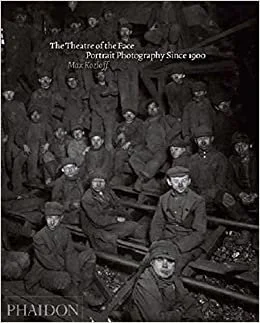
The Theatre of the Face, Portrait Photography Since 1900 - Max Kozloff (2007)
Probably the best book I have read on portraiture, quite a statement to make but so far the vast majority of photography books focusing on portraits are either entirely historic with little reference to the bodies of work of the highlighted practitioners or the other extreme of entirely focusing on a selection of images with little detail in regards to the history, theoretical and emotional reaction to those image.
The truth about photography, that photographers don't want you to know. Part 1: It's Easy.
Well let's start with a little history. Photography, as many my age will remember, mid 20's obviously, was once the realm of film and chemicals, disposable cameras and viewfinders that didn't line up with the lens, the anticipation of the return of a processed film to discover the ever present finger blurring a corner of every image.
What can a photograph tell us?
“illiteracy of the future will be ignorance of photography”(Moholy-Nagy:90). Moholy-Nagy, in his quote, echoed the sentiments of Vachel Lindsay’s “the acres of photographs in the Sunday newspapers make us into a hieroglyphic civilisation” (1916), and in these quotes the purpose of this essay is outlined.

‘Philippa in Lockdown, Canterbury, Kent’ – Ranald Mackechnie
What we see in this image is the subject, Philippa, stood left of centre frame in the foreground of a garden. She appears late middle aged, wearing a red check shirt over a red t-shirt and black trousers with work boots. Phillipa has rosy cheeks and a posed smile and gazes off to the right of frame beyond the photographer. In her right hand is a gardening fork, almost a walking stick grasp and in her left arm at an angle as she places her hand on her hip.

‘I can’t breathe’ – Brunel Johnson, London
“The invisible ones are claiming their power back. The Black Lives Matter movement is the only opportunity for us to claim our rights to be seen, valued and heard, with intention to finally obtain equity for us to succeed” – Estelle (pictured)

Stock Photography
Stock photography is something I am familiar with through any normal means that any other person would recognise. Stock imagery has been a fundamental component within computing for over two decades now and the original source of my discovery. I mention that as potentially Microsoft’s Word package and the inclusion of Clip Art for posters, letter, essay etc was probably my first interaction with a stock image.
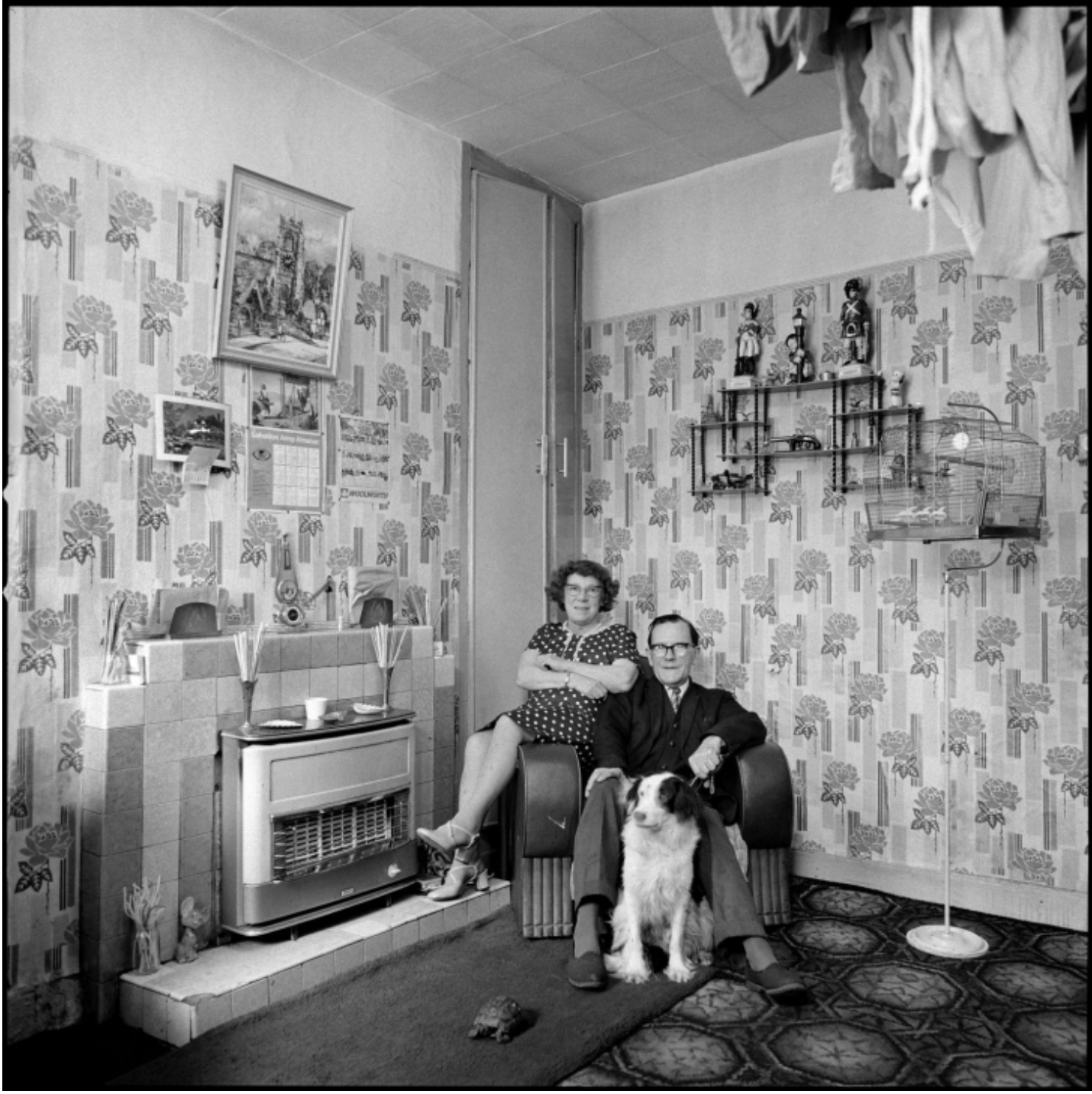
June Street, Salford – Martin Parr & Daniel Meadows (1973)
In 1973 student photographers, of Manchester Polytechnic, Martin Parr and Daniel Meadows set out to photograph the residents of June Street (please see footnotes for further on this) in Salford. This area of Ordsall had been earmarked for re-development which involved the eminent demolition of existing Victorian terraces and the relocation of their residents. The pari drafted a letter to post through the letterboxes of residents in hopes of engaging them in the project of documenting the changing environment of Salford.
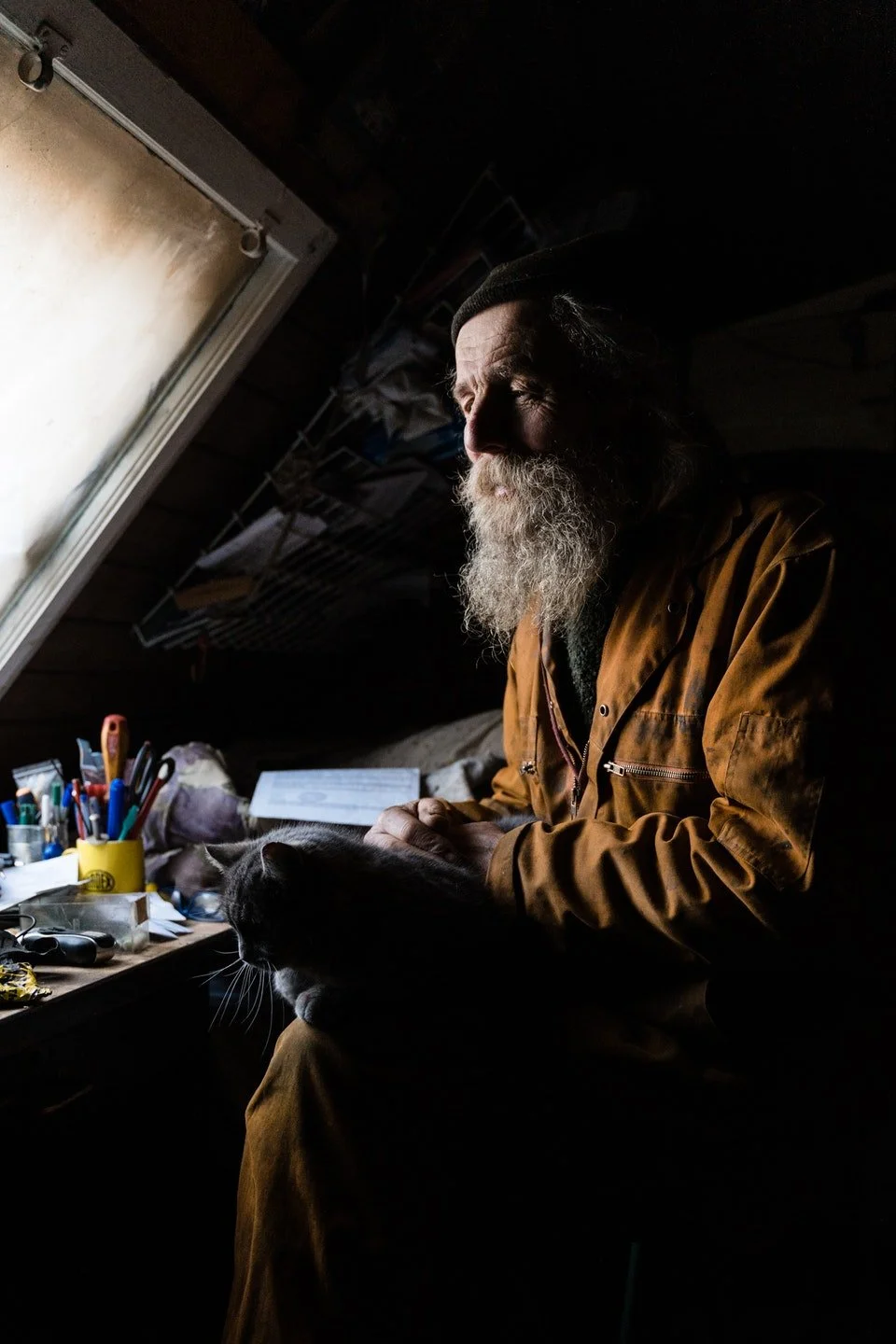
‘Jake and Cat, Near Rhynie, Aberdeenshire’ – Elliot Caunce
‘Jake has lived off-grid in the Scottish Highlands for over 40 years with no mains electricity, water or conventional heating. “I’m the king of this place. Everyone else can fit in with me for a change”, he said.’Jake, the subject of the portrait is photographed in what appears to be an attic or loft space, judging by the angle of the ceiling.

‘Chaneen, Jasmine and Ocean’ – Sophie Harris Taylor – London
“I went to photograph Chaneen and her two children as part of a series about breastfeed. After we finished shooting we ended up spending a bit more time together. there was something so beautiful about seeing the interaction between Chaneen and her two children – the purity of their children was captivating.”I selected this image purely on my reaction to what is presented in this photograph.
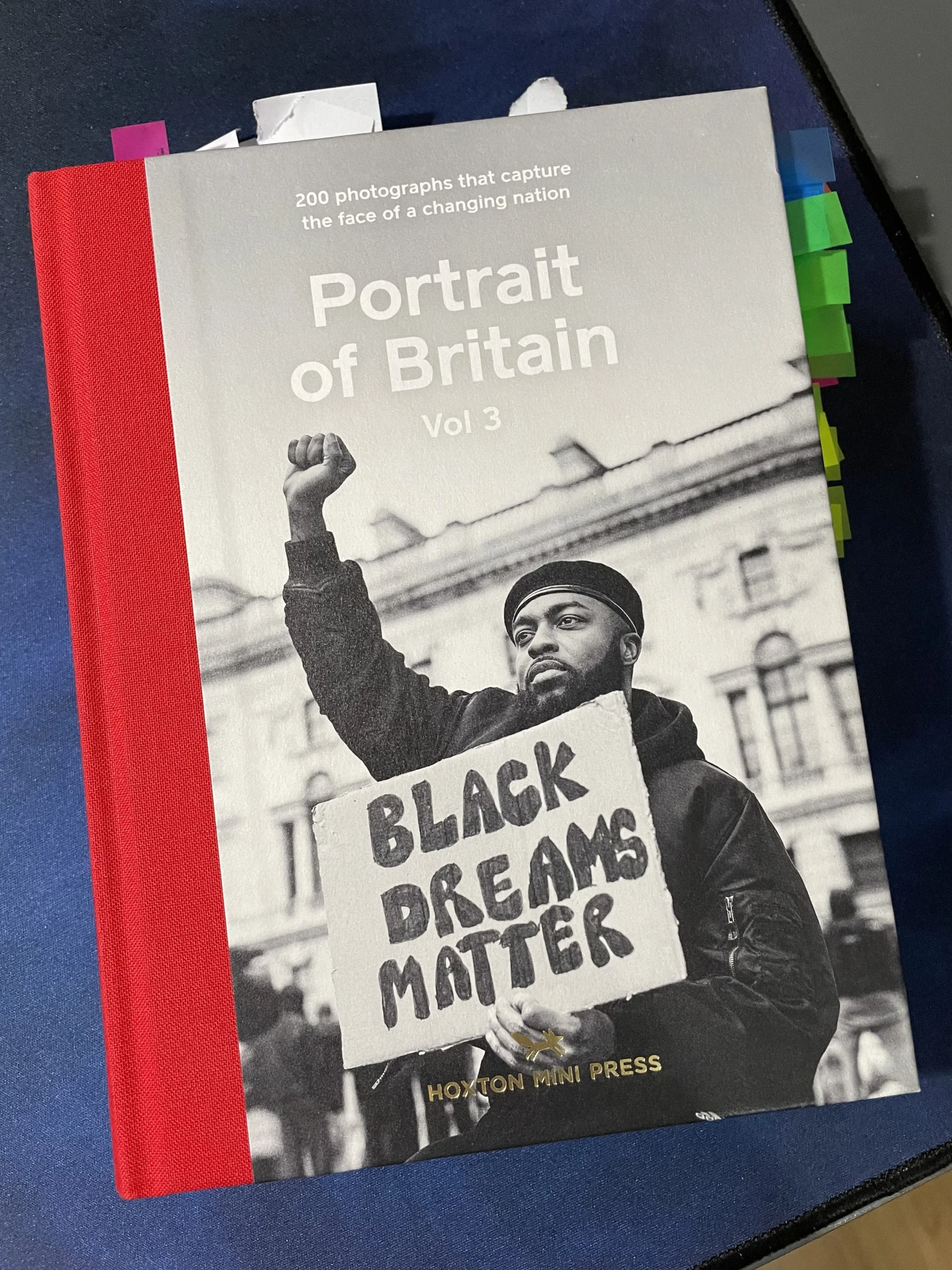
Portrait of Britain Vol.3 – Hoxton Mini Press (2020)
I thought it would be good to write a short piece on the Portrait of Britain book as I have been working through ‘reading’ some of the images that are included and also because it is the first time I have had work included in a publication like this.Portrait of Britain is a competition run by the British Journal of Photography, this event is run each year and is now in its third volume.

About Looking – John Berger (1980)
About looking is more a collection of reflections on individual artists and works than it is an overall statement on art as found in Ways of Seeing.
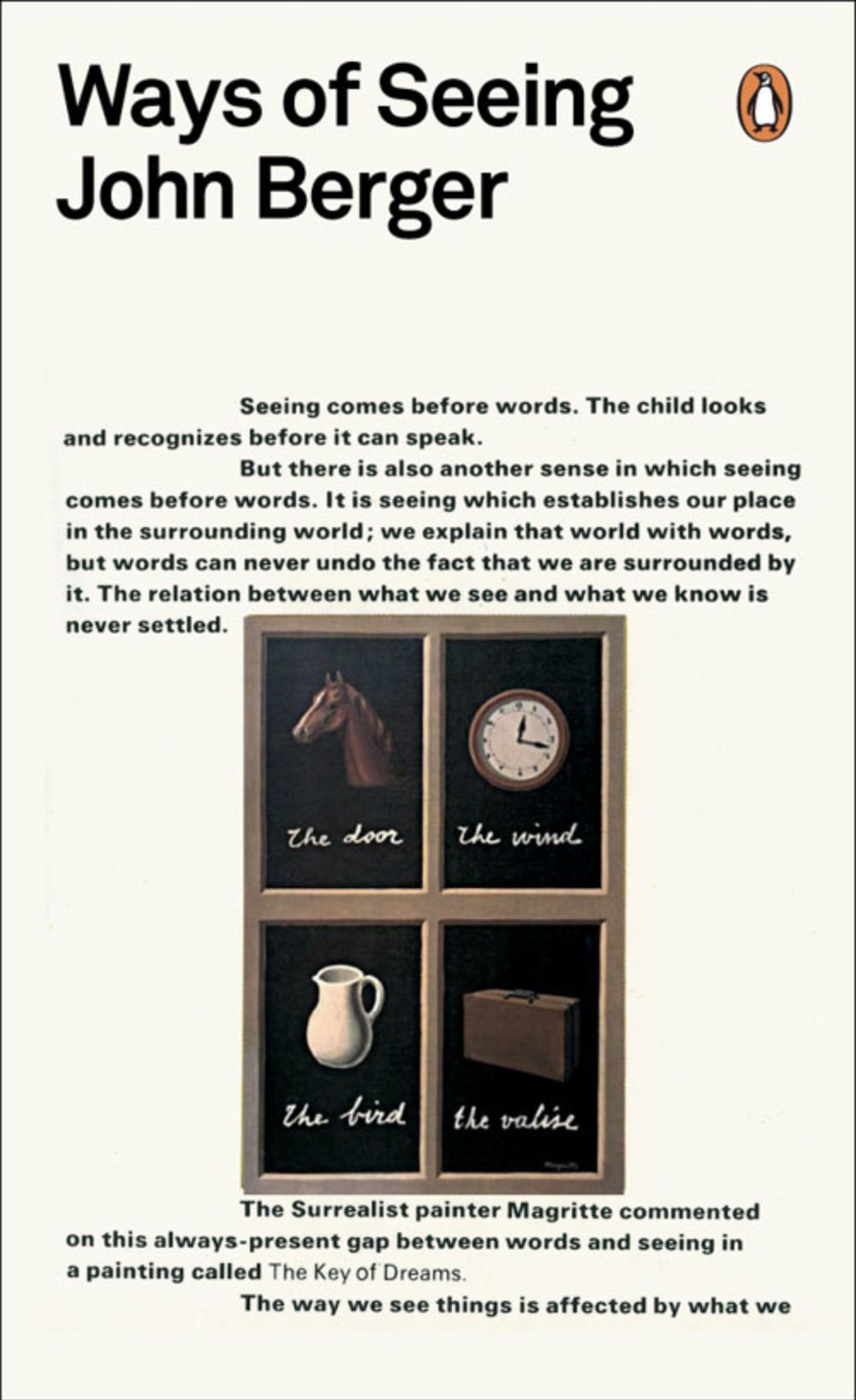
Ways of Seeing – John Berger (1972)
Ways of Seeing is a collection of short essays on the reading of images. A surprisingly short but dense read which looks to bring a sense of clarity to the understanding of art criticism. Asboth a guide for understanding the criticism and reading of images as well as a middle finger to the established conventions of art appreciation Ways of Seeing carries a theme of de-mystification.Berger has collected seven essays, three entirely visual and four written.

Mythologies – Roland Barthes (1957)
Mythology, as defined by the Oxford Dictionary is “A set of stories or beliefs about a particular person, institution, or situation, especially when exaggerated or fictitious.”We attach to that definition the sense of history or legend, the tales of heroic endeavours by singular people, often men, against the foreboding beasts of ancient lore.
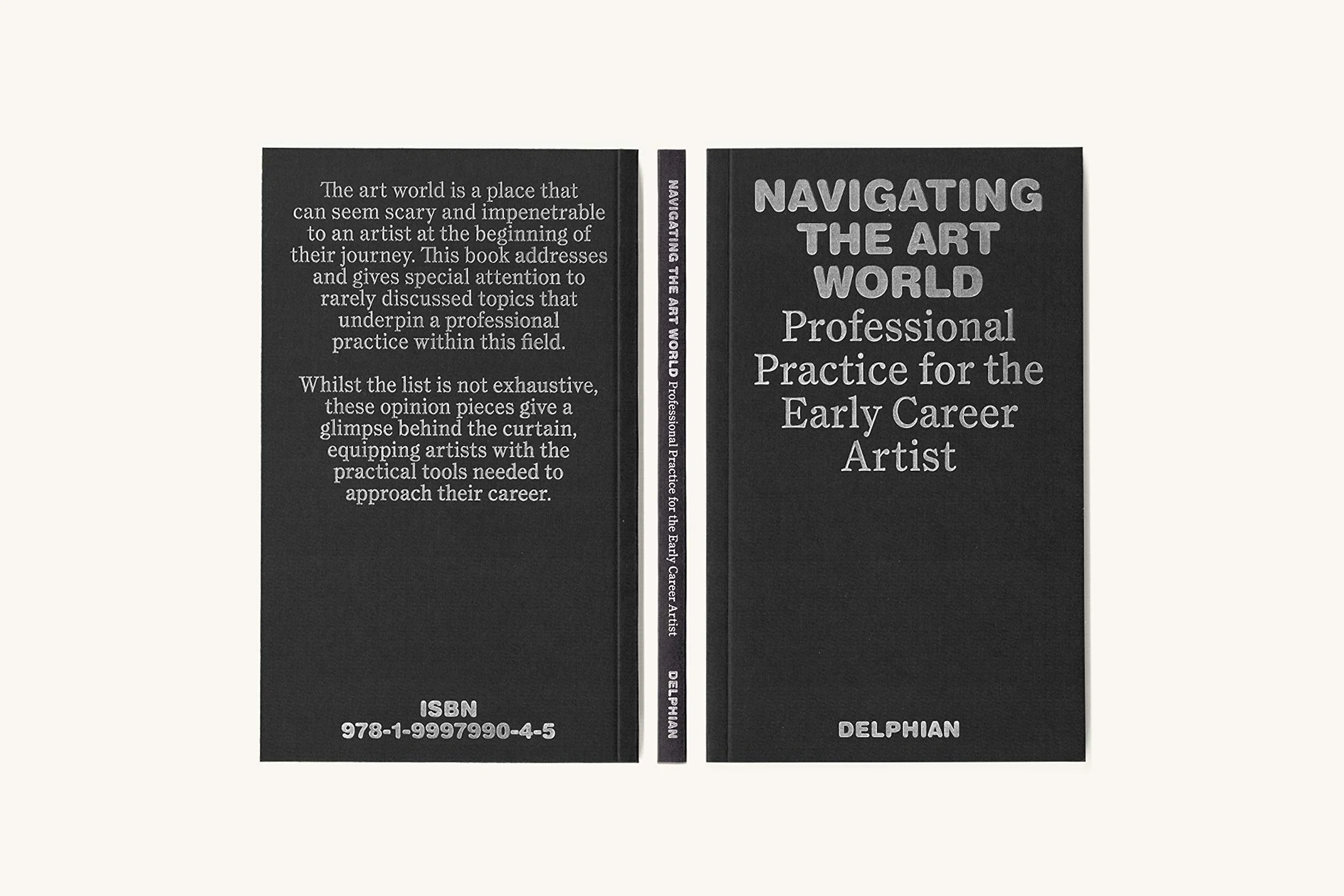
'Navigating the Art World: Professional Practice for the Early Career Artist' -Delphian Gallery 2020
The summary of this review will probably be "style over substance". Is this a bad review? Not necessarily or intentionally but unfortunately the result of many social media driven endeavours.
A Search for Juba, Lost in Royton.
Juba is thought be of South Sudanese origin due to the link between his name, the Sudanese language and capital city, however there is no definitive evidence of this or how Juba found himself to be enslaved. The link to the capital is tenuous as the city was only established in the early 1900's but it is possible there is a shared heritage there.

Auto-Focus – The Self Portrait in Contemporary Photography – Susan Bright (2010)
Auto-Focus is a look into the different sub-genres of self portraiture and the artist that are recognised for epitomising these approaches.

Photography The Key concepts – David Bate (2009)
David Bate presents an in depth wide view on photographic theory across the past 150+ years in a way that whilst as a whole is daunting, and frankly now I have come to the end hard to remember, it is also very well structured and developed throughout.
Aftermath and Aesthetics
The so called ‘late’ style of photography is a concept David Campany proposes, in his article ‘Safety in Numbness: Some remarks on the problem of ‘late’ Photography”, that came about in the advent of portable video equipment and the resulting loss of photo-journalists on the frontline of events.