Blog
Before the Shutter
One of my side projects,
A podcast and blog about photography, it’s history and theory and my experiences working in commercial and artistic practice.
Context and Narrative
Context is a powerful tool for the photographer, we can emphasise an idea with a strong image attributed to the issue at hand. We can also destroy an idea with an image just as easily.
Narrative
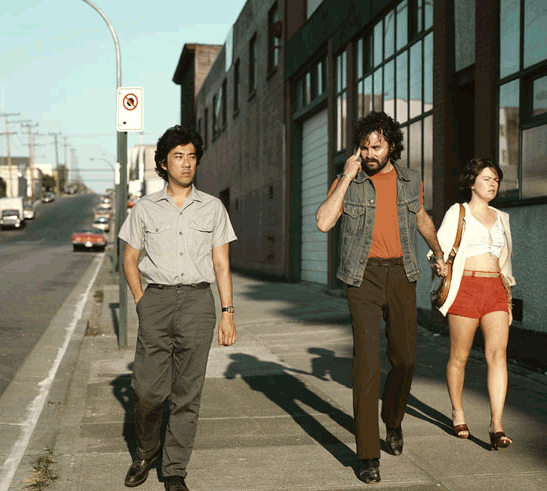
Jeff Hall is known for his constructed images such as the image ‘mimic’ shown above. This image replicates a scene of racial abuse that the artist had witnessed previously and is an excellent image to demonstrate how the narrative tells a story even within a single image.
What Matters is to Look
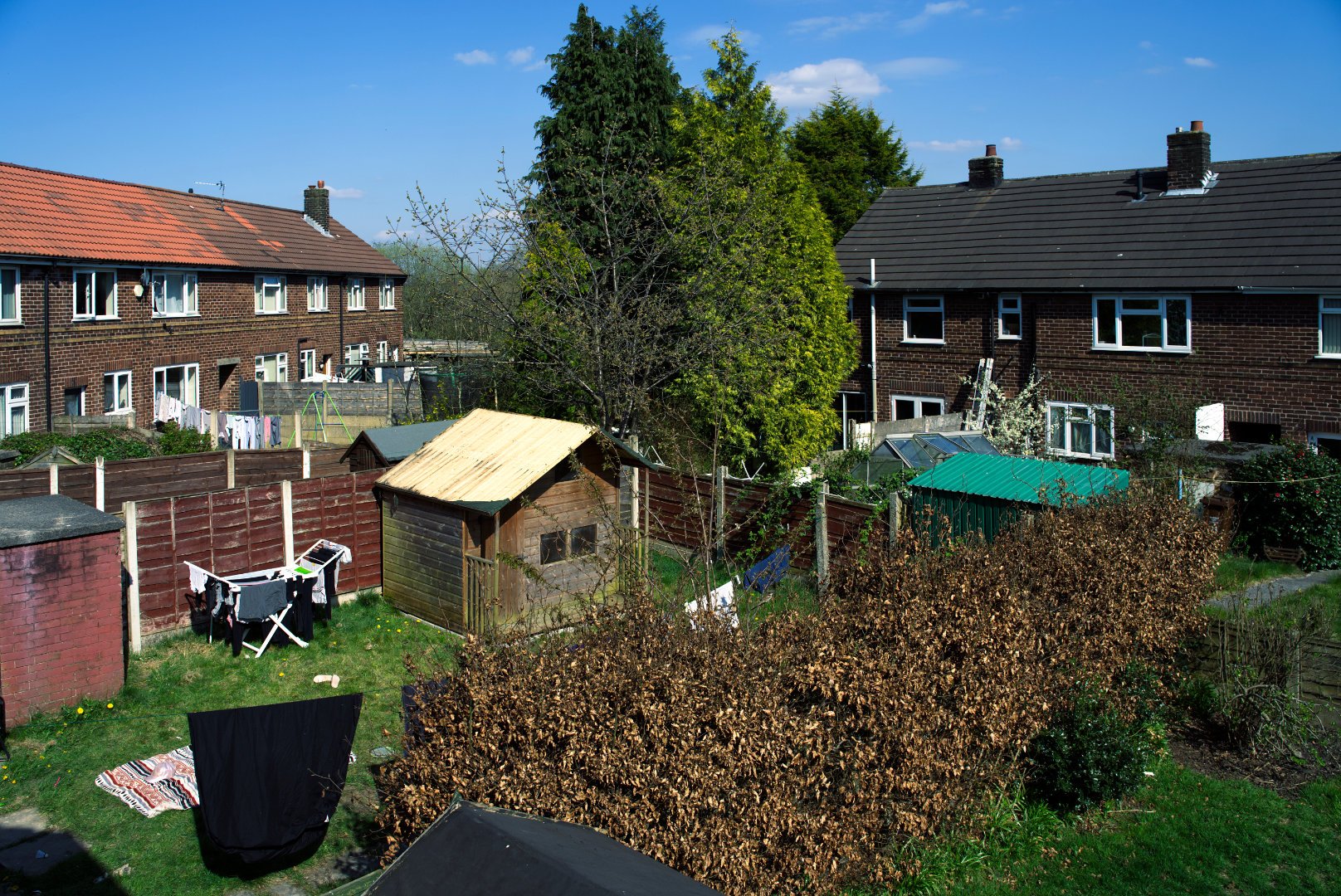
Find a good viewpoint, perhaps fairly high up (an upstairs window might do) where you can see a wide view or panorama. start by looking at the things closest to you the foreground. Then pay attention to the details in the middle distance and then the things towards the horizon.
The Issue of the Aesthetic Without Context.
In a time where mass media is prevalent, the phone camera is ubiquitous and access to creative tools has never been so cheap or accessible can we still create lasting artworks that will transcend the zeitgeist or have we hit a roadblock in artistic appreciation in which the value of an image is based on the amount of like and shares it receives through social media.
Charles Marville
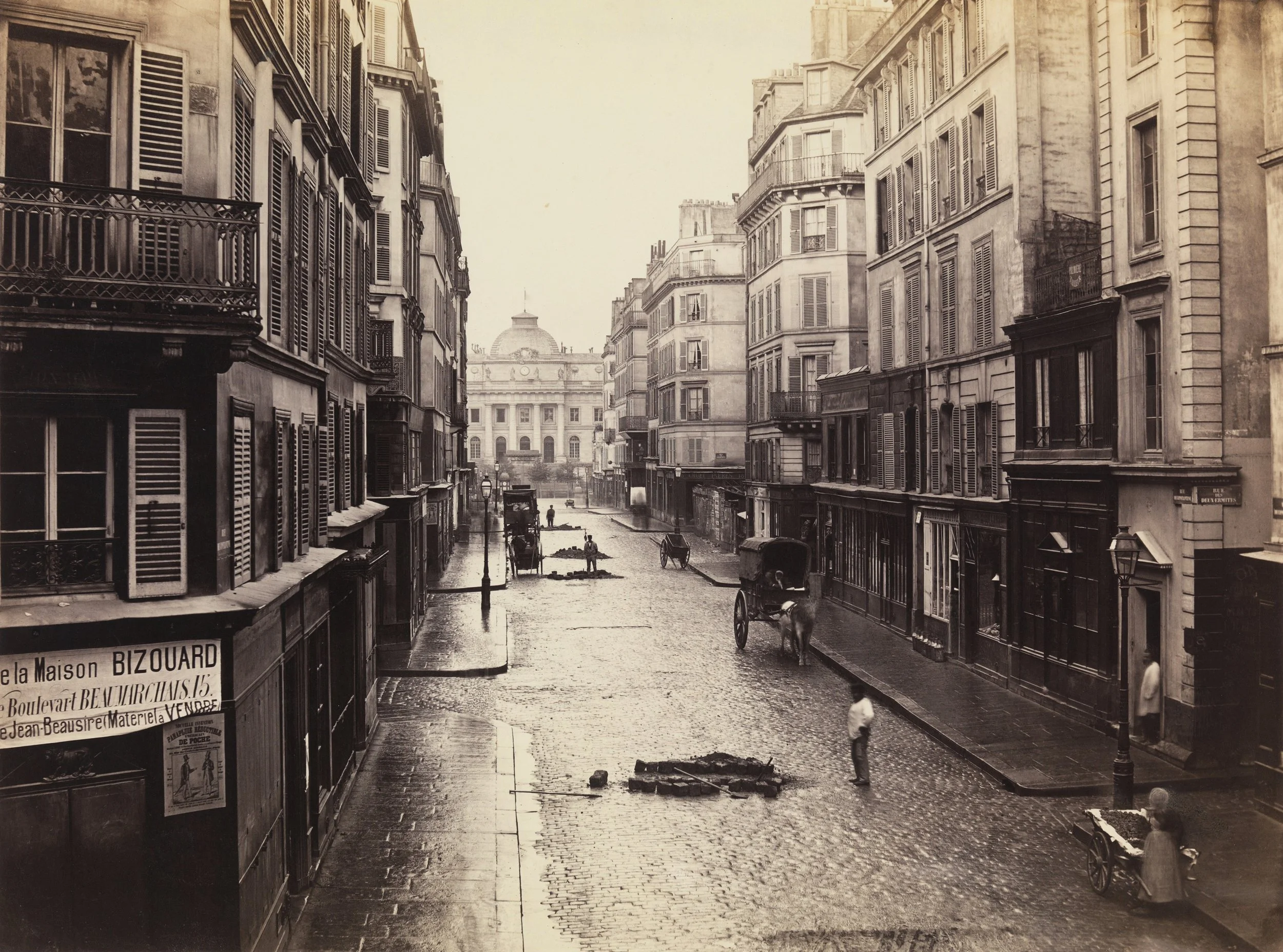
Charles Marville, the official photographer of Emperor Napoleon III was to become the official Paris photographer in 1862. At this time, City Planner Baron George’s-Eugène Haussmann was undertaking the mass transformation and modernisation of Paris, a process that Marville captured in what is recognised as one of the first series of images capturing urban transformation.
‘Photography and Context’ - Terry Barrett
The image, presented above, captured by Robert Doisneau, reflected his own fondness of cafe culture in general but, with time came to represent all of cafe culture in Paris, alcohol abuse and even prostitution, all through the various types of publications the image was used in.
Competition Entries
The run down of the competition is that it is open to anyone and free to enter, which I have found is quite limited as most photo competitions are paid entry and generally just money raising exercises for relatively unknown brands and magazines. There are 10 categories to enter ranging fromArchitecture to street and travel. As usual there are entry requirements such as file size and colour space but they are fairly straight forward to meet.
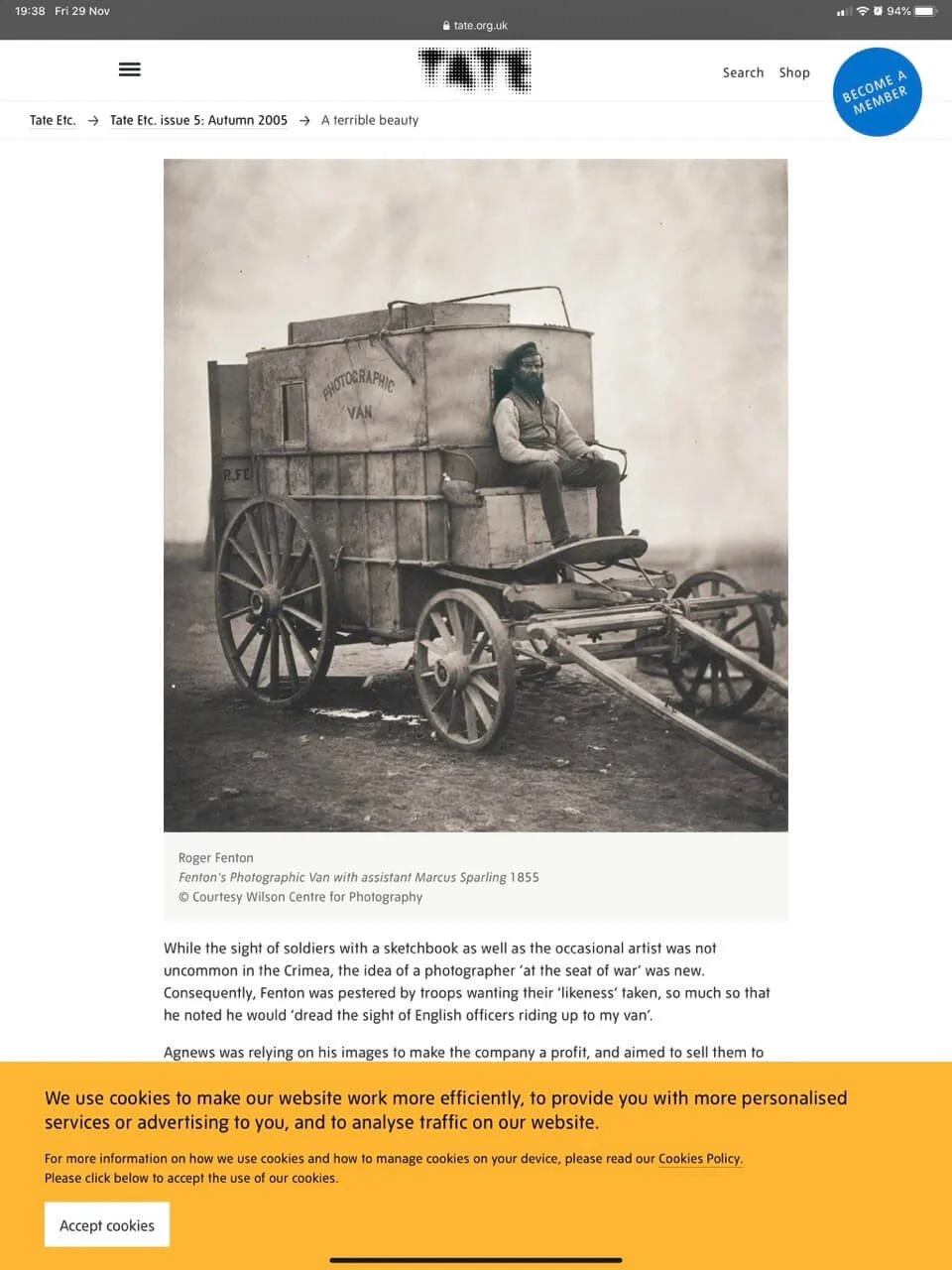
Roger Fenton
Born in 1819, Fenton, born in Rochdale went on to study Law in London and painting in Paris. This artist training no doubt helped cement his reputation in history as being a ground breaker in portraiture, landscape, architectural and war photography. He established the royal photographic society,saw the rise of photography to the acceptance as fine art at the Manchester Art Teasures Exhibition and eventually retired amid its fall back to being classed as a ‘craft’ or ‘trade’.
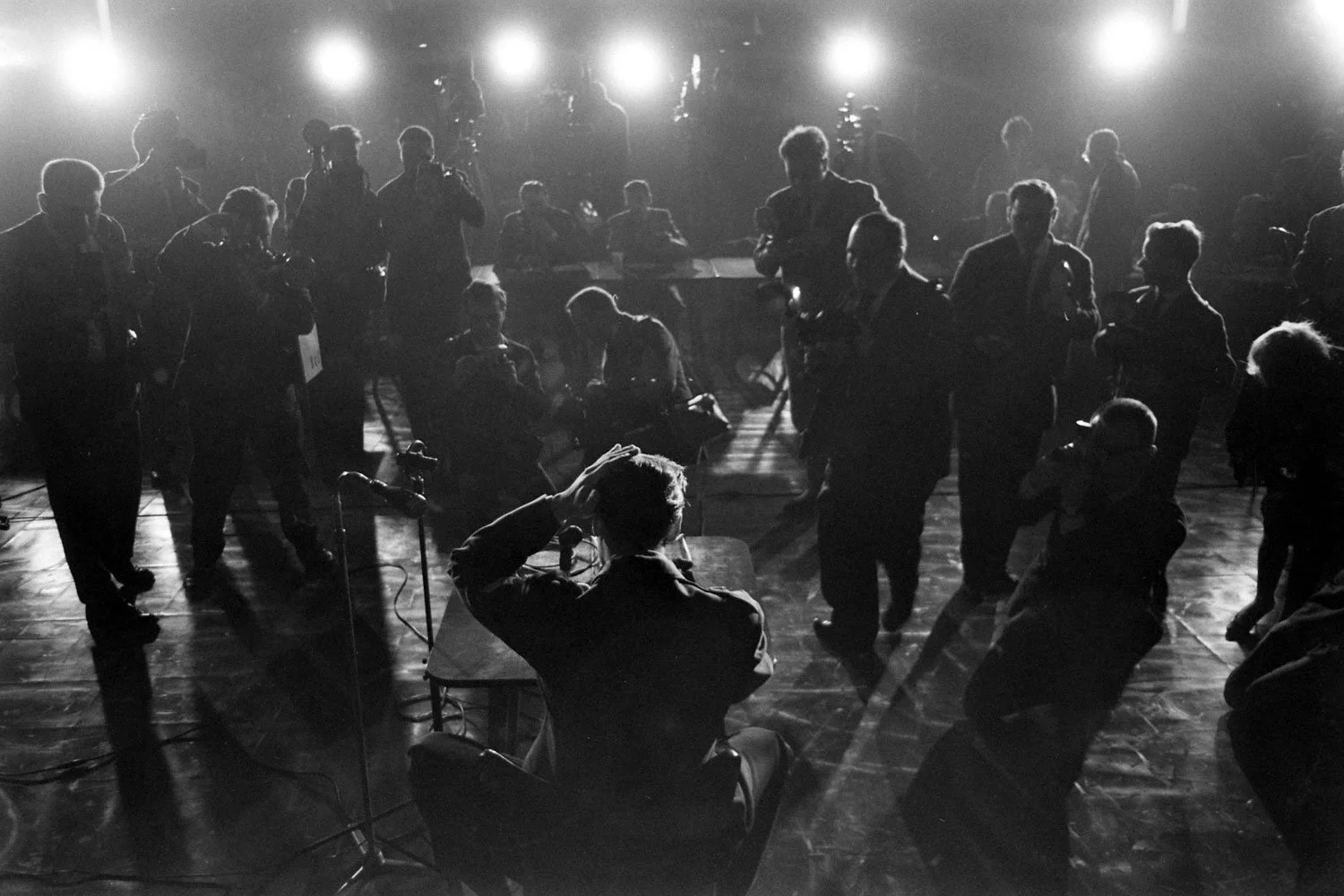
James Whitmore
The original image was taken during a shoot for LIFE|TIME magazine at the time that Elvis was leaving the Army after serving his Military service in the US. One of the main reasons for choosing this image was its unusual pose and composition for a celebrity portrait, especially compared to the standard set throughout Elvis’ career.
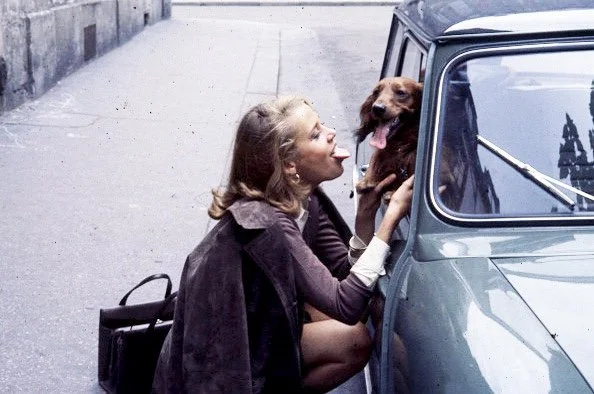
François Pages
The majority of the work I have seen has been dual credited with a French magazine Paris Match. From what I see, the magazine would be akin to the Hello magazine here in the UK. The main differences in terms of the photography is that it is unusual to be dual credited with the photographer.
The Colour of Time
This book, a collection of 200 images with a brief backstory to the context and significance of each, brings to life iconic and equally unknown photographs. Her co-author Dan Jones provides a written insight to each selection, not only tying each selection to the time it was taken but helping to describe the use of each image and the effect it had on perceptions.
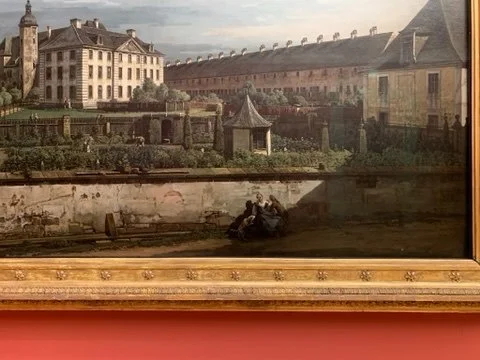
Manchester Art Gallery
The scenes are obviously not being captured in a fraction of a second as with a camera, so one could say the images are composites akin to the manipulation of images we see with software today and finally the use of light to highlight certain points of the image that the artist wishes to be observed.

Research point – ‘Jpegs’ (Thomas Ruff)
Campany for example references the processes used by Ruff such as downloading low quality images from the internet of important and historic events and re delivering them in a large scale to cause the image to be viewed as its individual pixel makeup rather than as intended originally as a whole complete representation of the original subject matter.
Imperial War Museum North
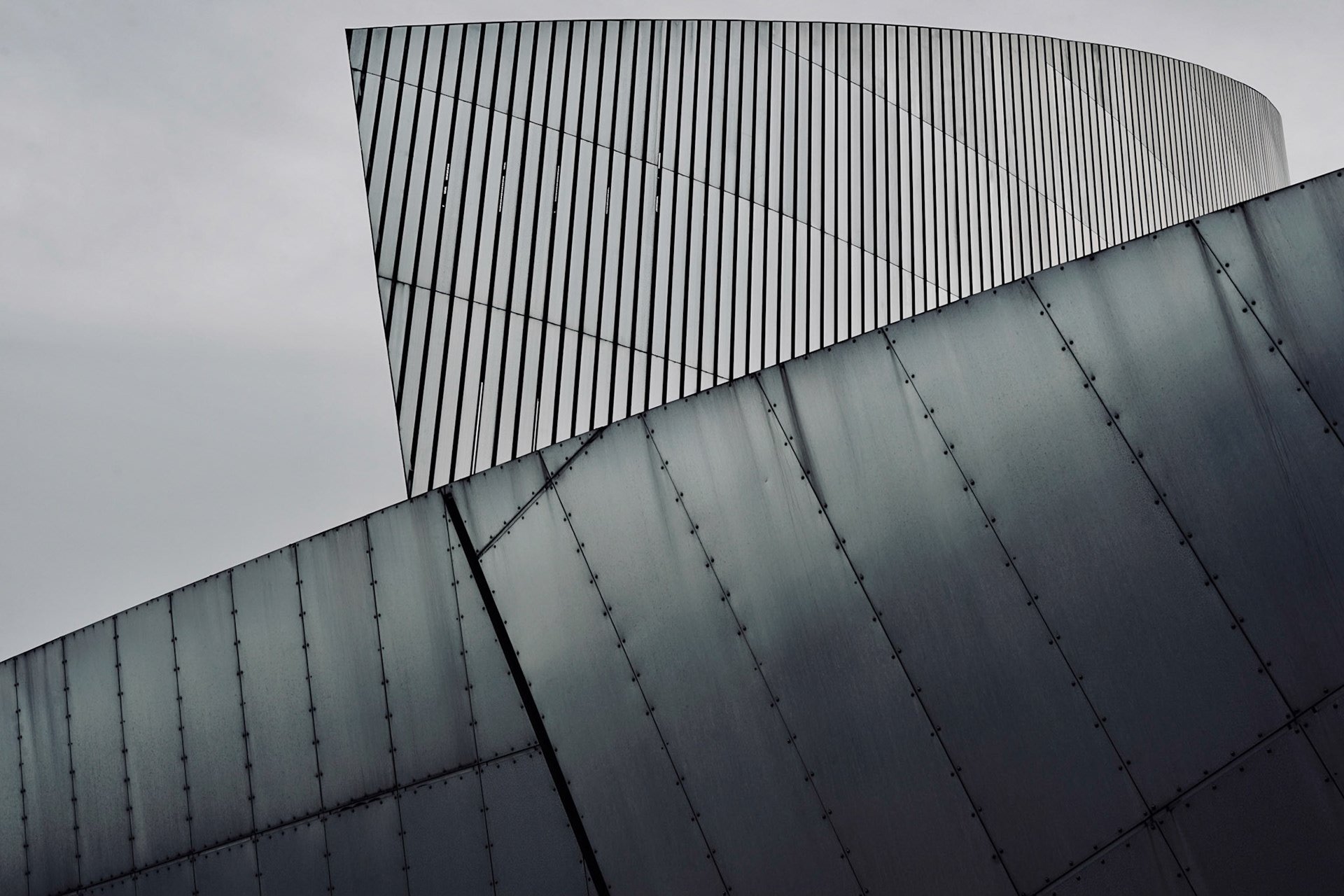
Today I took the afternoon to spend a couple of hours visiting the Imperial War Museum North here on Salford Quays.It’s the first time I visited the museums exhibition hall but I thought it would be a good place to start in exploring the theme of ‘Collecting’ further.I also hoped to see photography of a different type, through the eyes of 100 year old photographers and equipment and also in circumstances I may never get to experience first hand.
The Photograph as Contemporary Art
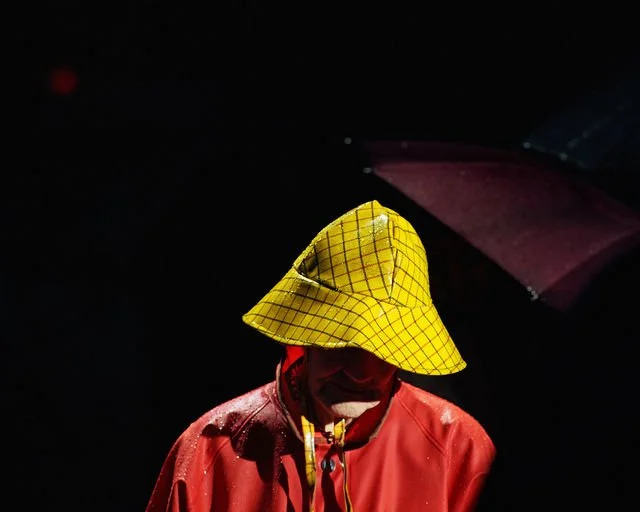
Philip-Lorca diCorcia – Head #7, I particularly enjoy the use of light here to isolate the subject. It feels almost studio shot, but the umbrella just exposed and the water covering the hat and shoulders shows the image is outdoors but without a context of location.