How to photograph a story without making it seem staged?
This question is probably one of the main goals of all photographers, to document something interesting and engaging, in an authentic way.
It seems like the simplest thing to do, just point the camera at something and click away. But so many struggle with this as the subject of the photograph can often feel self conscious, or the photographer can feel they are intruding on the activity.
This is the key to photographing a story and having it appear naturally in the final image…
Rapport.
What do you mean by rapport?
Rapport, for me, is building trust and familiarity with the people involved in a photography project before even lifting my camera from my bag.
Most people, I find, are not used to having a photographer following their every move, and when they have experienced it their interaction has often been ‘distant’ as in the have no prior familiarity with the process or the person doing the photography.
This distance creates an unusual power imbalance between the photographer and ‘subject’. An expectation that the photographer will lead, and that the subject will submit to their will. This can be very challenging for both parties as the subject feels a lack of control and the photographer can feel they have to direct every single motion, or worse, take advantage of the power and instruct subjects to ‘perform’ for the camera, even if that involves doing things the subject isn’t comfortable with.
Instead, be eschewing the camera and meeting with the subject of the story person to person it sidesteps the barrier that a camera can create. Instead of becoming a power-based relationship, the photographer is inviting the subject to become a collaborator and participant.
Why is it important that there is collaboration?
By reframing the project as a collaboration you are inviting participants to work together towards a shared goal.
This changes the dynamic from, ‘I’m the photographer and you will do what I need you to do’ to ‘we are both here to address the same problem how can we work together to achieve that’.
This shift in dynamic restores the participants agency, they now feel more comfortable and confident in sharing their experiences, drawing boundaries and attempting things they may not be used to or consider typical photographic approaches.
By having these conversation right form the outset, there is now a level of trust built before the camera has even taken one image. So, when the camera is brought out there is less fear that the camera will capture them in a way they don’t like and more of an understanding that they control their own representation and you are there to support that.
Ok, but if you trying to capture a story honestly why approach it collaboratively?
This is ultimately an ethical question. If you take the time to build trust and frame the work collaboratively, you then have to decide how to uphold your side of the bargain.
This is decided in the ‘edit’, the images you choose to use. As a journalist you may use these tools in order to lower the guard of a subject who in turn reveals some truth which is important to show for a ‘greater good’ people of significant power for example. This dynamic can be justified as the balance of power is in their favour and the truth may have a wider impact on society.
However, when working with everyday people, outside of safeguarding concerns, you need to weigh the outcomes. I can’t make that decision for you but it is the quandary of every documentarian.
Ultimately, collaboration is how you build trust which reveals more of the ‘truth’.
So how do you actually get the photographs?
My process, beyond the initial rapport building phase, is to work from the outside in.
While chatting casually can build rapport, the presence of a camera will always change the atmosphere and ratlin between photographer and subject.
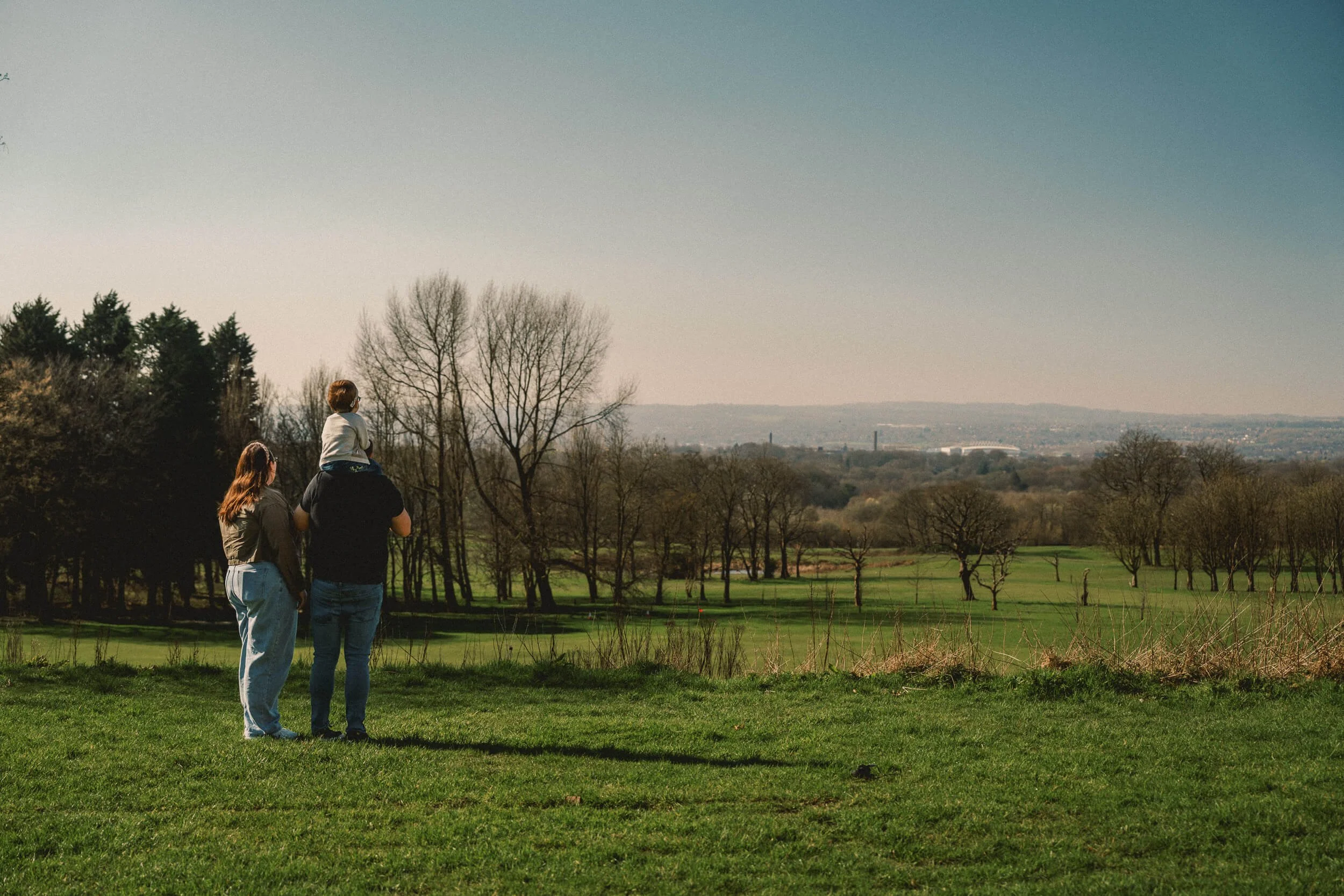
Typically working on short term projects, where you may only have a couple of hours, means getting to the final imagery takes priority. I’ve found that if you start out with more typical imagery, posed portraits, distant wide shots and landscapes, it breaks the ice. The participants in your project start to get used to the idea of your presence and camera being used. Sharing the images on the rear screen gives them a sense of what the images will look like and the sense that they may not be too close-up.
As the session goes on I’m then able to move closer and closer to the action. Each step closer I’m sharing more and more images, carefully choosing the best to share to give the best impression to participants. Each time I’m sharing I’m asking for opinions, guidance and for their opinions, to keep the sense of collaboration and agency and building on that initial rapport.
But how do you get specific shots from a brief?
Much of the work of getting the rights host for a brief start with the pre-planning.
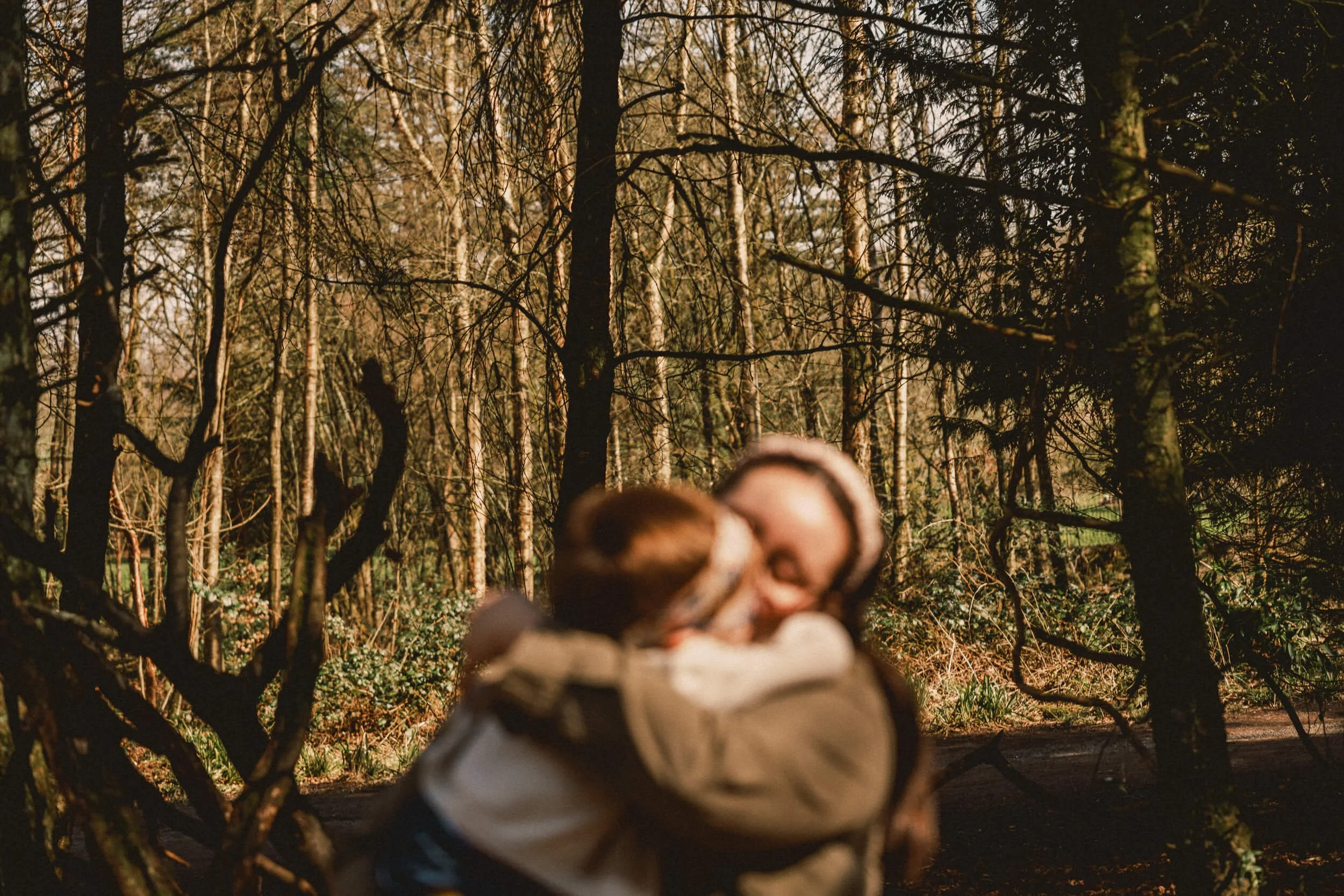
For the images shared here the brief was for activity and playfulness. The producer for the commission had already planned with the family the location with this in mind, a safe place where they already felt comfortable and were used to the kind of action that the brief required.
This meant when we had worked through the initial rapport building and starting images, moving on to the brief images was much more natural as the location dictated moving around to new places and trying new things.
Therefore, rather than thinking about the brief list as a requirement to pose people in exact positions and locations, it became more about how can I position myself to photograph the requirements as they happen naturally.
But what if a specific pose is needed or if I’m working with models?
For me, the same process applies. Rapport building is just as important with a model as with anyone else. While working with a model does mean a level of professionalism, if the aim is to photograph something which appears very natural it remains important to have trust between those working together.
When you have built that trust, through the rapport building and image sharing, you can then suggest different approaches.
I tend towards saying ‘I wonder if...’ or ‘I wish I had…’ and ‘Do you think we can…’. These kinds of suggestions ask permission to try something again while respecting boundaries.
‘I want..’ can be great when directing models on a tight timeline, but ‘I’d love to see..’ communicates it more as a request than a demand and framing it that way suggests that you recognise that the participants are giving you something and you appreciate it.
What about the really intimate images?
I tend to find these images come towards the end of a session.
Forcing intimacy at the start is difficult as that trust and rapport is low. Think of any relationship and intimacy comes with trust.
As you approach the end of a session you can begin to slow down the process. By allowing space to relax you will find participants feel the end is close begin to let their guard slip further as they sense they no longer need to perform for the camera.
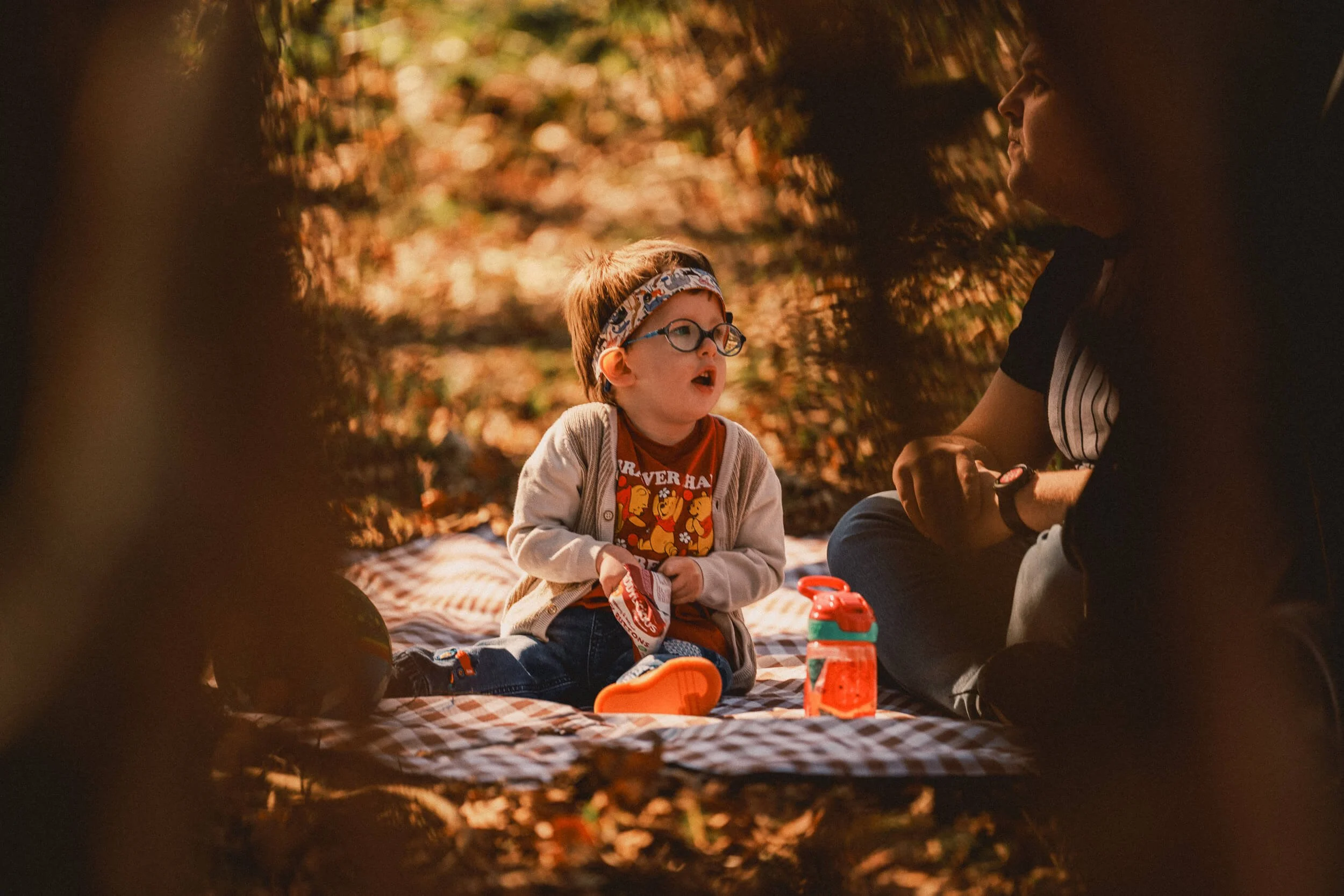
I often steer the conversation away from the photography and back to more mundane question about what they have planned for the rest of the day. This works especially well if you plinth final stages of the session to be somewhere comfortable and private. For the examples here, a picnic blanket the woods was secluded and made for a great setting for play. By this time everyone is fully sued to the camera being around and the ‘brief’ is fulfilled.
This is a great time to get really close-up but also a great time to walk far away and use a longer lens to get that sense of looking on to a private moment happening.
So what are your top tips for getting that natural style?
In a nutshell, to get the natural style for your photography, you want to start with rapport building before even showing you have a camera.
Start out with simple shots from distance and share with the participants
Think of the process as collaboration and seek participants feedback
Suggest rather than direct, but set up a location which facilitates what you need to acheive.
As you approach the end of the session direct conversation back to everyday topics
Don’t stop taking photos, you’ll find it hard to get the right image in just one or two frames especially when you want the fluidity and candidness of a ‘natural’ appearing photograph.
If you want some more insight into how I approach commissions check out my dedicated case studies.