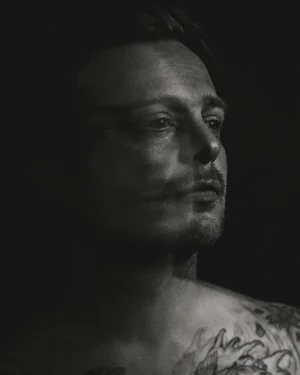
The right photographer for an NGO or charity campaign is someone who can make powerful, honest images while treating the people in them with dignity. Look for experience working with communities and vulnerable people, a clear approach to consent and safeguarding, a portfolio that shows respect rather than spectacle, and the practical skills to deliver campaign-ready images on budget, on time and under whatever conditions the project demands.
I work on NGO and charity commissions alongside my commercial practice, and my approach comes from a socially engaged background: I completed an MA in socially engaged photography, where my final project won an award, and [add a named project or collaboration that shows your approach]. Here is what I would look for if I were commissioning this kind of work.
1. Look for dignity in the portfolio
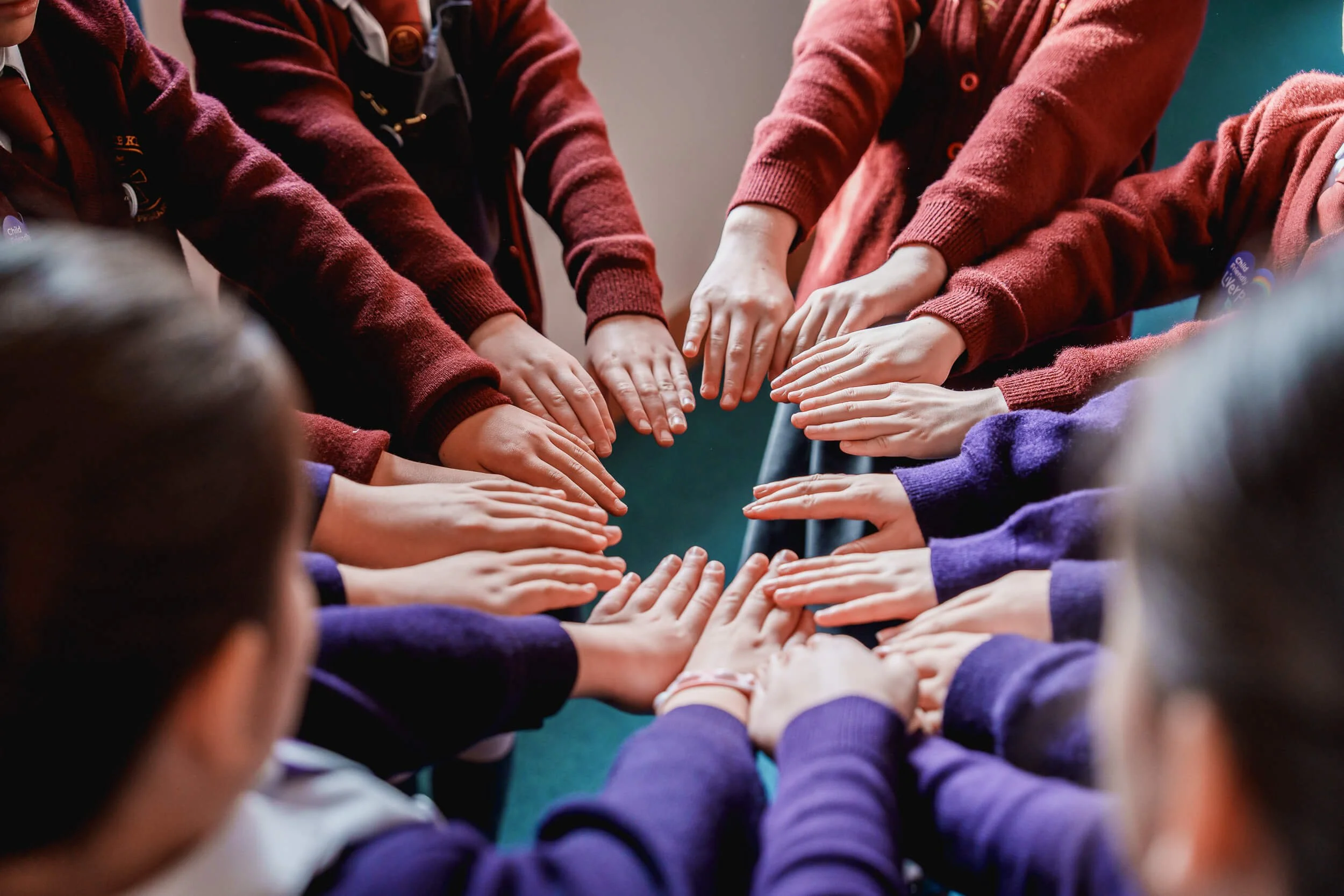
The biggest difference between campaign photographers is how they treat their subjects. Look through the portfolio and ask:
Do the people in the images look like individuals, with agency and character, or like symbols of a problem?
Is there variety, including moments of strength, humour and ordinary life, as well as hardship?
Do the images show people being photographed with their participation, rather than something being done to them?
Images that rely on pity or shock may raise short-term attention, but they can undermine trust in your organisation and in the communities you serve. Most funders and audiences now expect more.
2. Ask about consent and how it is handled
Consent is the foundation of ethical campaign photography. A good photographer will talk about it without being asked. Ask how they:
explain the purpose, the places images will appear and how long they may be used, in plain language
obtain informed consent, including from children, young people and adults who may need extra support
handle people who wish to withdraw, or who do not want their face shown
record and store consent so that your organisation can show it later
If your organisation has a consent process already, check that the photographer can work within it. If not, they should help you build a simple one.
3. Check their approach to safeguarding
My approach is that all work is to be commissioned as supervised work where the photographer is not directly responsible for the safeguarding of the clients service users. This helps to protect all stakeholders and service users. I also always carry an up to date basic DBS check.
4. Prefer a collaborative, relationship-based approach
The strongest campaign images come from trust, and trust takes time. A photographer who spends time with the people involved, listens before photographing and shares work back with participants will usually produce more honest and varied images than one who arrives, shoots and leaves.
This is the principle behind socially engaged photography: the people in the pictures are collaborators, not just subjects. Ask how a photographer involves participants in the process, whether that means choosing locations, reviewing images or having a say in how their story is told. You can see the socially engaged work I completed as part of my BaHons and MA on my artist portfolio page. You can also see more of my commissioned work on my NGO & Charity portfolio page.
5. Match the photographer to your story
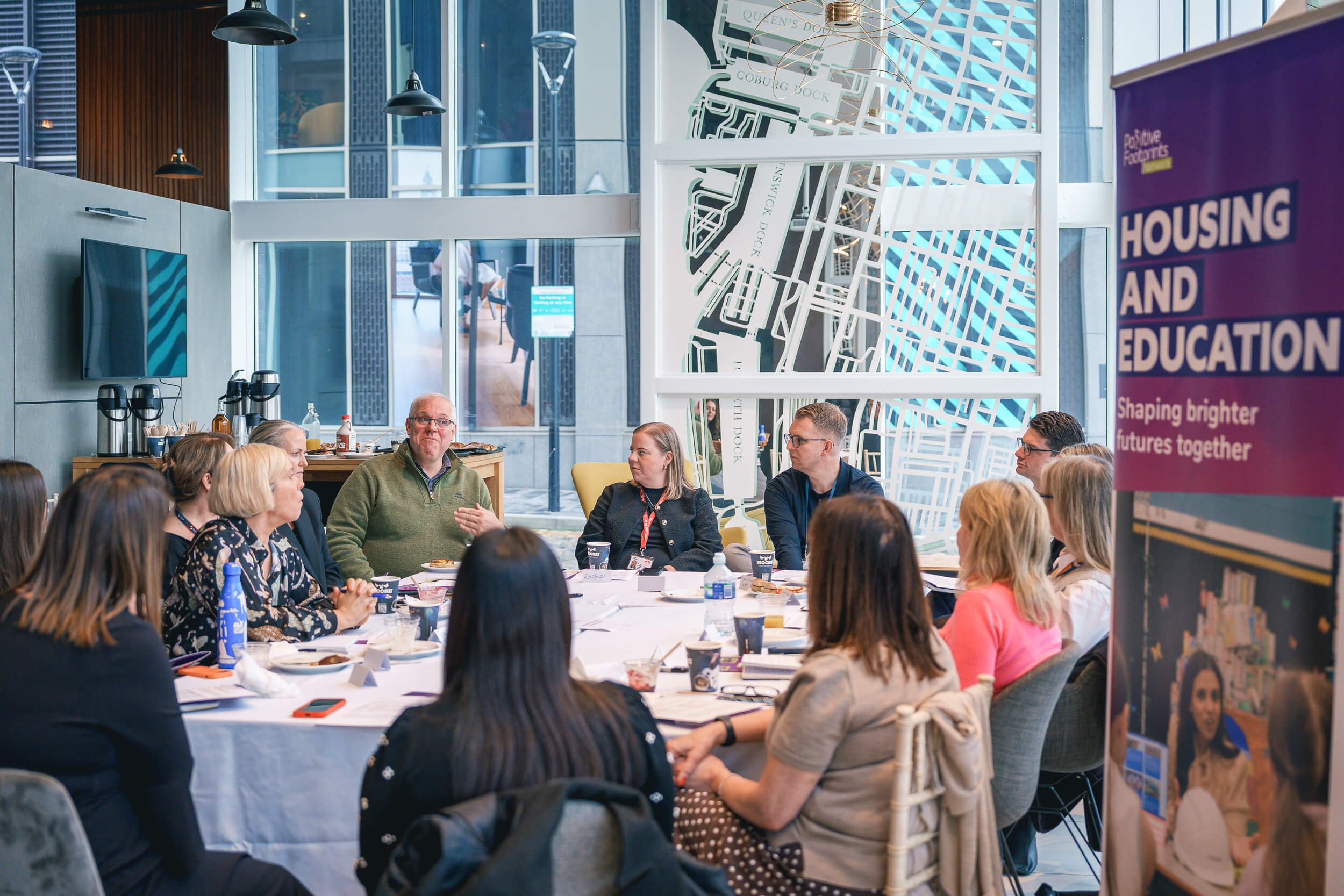
Different campaigns need different skills. Consider:
Documentary reportage: for stories that need honesty and a sense of real life
Portraits: for campaigns built around individual voices, such as supporters, staff or beneficiaries
Events and fundraising: for galas, launches and community days
Corporate-style photography: for annual reports, trustee and leadership portraits, and partner materials
A photographer who can do several of these, reportage, portraits and events, gives your organisation a more consistent set of images across all your communications.
6. Agree the brief, the outputs and the usage
A clear brief protects everyone. Make sure you agree:
the message and audience for the campaign
the shot list, including any images that should not be taken
where the images will be used, such as appeals, reports, social media, press and partner materials
how long the licence lasts and whether it covers future campaigns
who owns the copyright and who can share the images with partners or funders
If you work with partner organisations or funders, check whether they have their own image guidelines, so the final set can be shared without problems.
7. Think about practicalities
NGO and charity work often involves tight budgets and challenging conditions. Ask about:
travel, access and working in unfamiliar or sensitive locations
experience of working discreetly, in community venues, homes, clinics or outdoor settings
turnaround and delivery formats, mine being typically 3-5 working days
whether the photographer can work to charity or NGO rates where it is appropriate, mine are publicly available on the rates page.
Being clear about budget at the start usually leads to a better plan than being vague.
Questions to ask before you commission
Can I see examples of your work with charities, NGOs or communities?
How do you explain and obtain consent, and how is it recorded?
What is your approach to safeguarding and data protection?
How do you involve the people you photograph?
How will you avoid reducing people to a single story?
What are the licensing and copyright terms?
What is included in the price, and what is not?
Frequently asked questions
How much does an NGO or charity photographer cost? Costs depend on the scope, travel, usage and the time needed to build trust with participants. my rates are available on the photography rates page, with my typical day rate being £850 all inclusive
Should we use a local photographer or someone who travels? Both can work. Local photographers often understand the context and can build long-term relationships, while travelling photographers may bring broader experience. The key is consent and trust, wherever they are from.
Can we reuse the images in future campaigns? Only if the licence and the participants' consent allow it. Agree this in advance, and keep records of what each person has agreed to.
How do we avoid exploitative or stereotyped imagery? Choose a photographer who shares your values, brief them on the tone you want and involve participants in the process. Review the final images with the people in them whenever it is appropriate.
Planning a campaign?
I work with charities, NGOs and organisations across Greater Manchester, from single commissions to long-term collaborations, always starting with a conversation about the people involved and the story you want to tell. If you would like to talk through your campaign, get in touch.